quick answer
Find and remove the source first, usually spoiled food or a spill. Then empty the fridge, wash shelves and drawers in warm soapy water, and wipe the inside with baking soda in warm water. Clean the door seals and drain hole, dry everything, and keep an open box of baking soda inside. Never mix cleaning products.
Time: about 45 minutes · Level: easy
You will need: dish soap, baking soda, microfiber cloths, soft nylon brush, cooler with ice packs, airtight containers
A bad fridge smell almost always has a source. It might be a forgotten container, a small spill under a drawer, or a damp door seal. An air freshener or a box of baking soda alone will not fix that.
This guide walks you through finding the source, cleaning the inside with gentle products, and keeping the smell from coming back. Plan on about 45 minutes of hands-on time, plus some drying time. You only need dish soap, baking soda and a few cloths.
Find the source before you clean anything
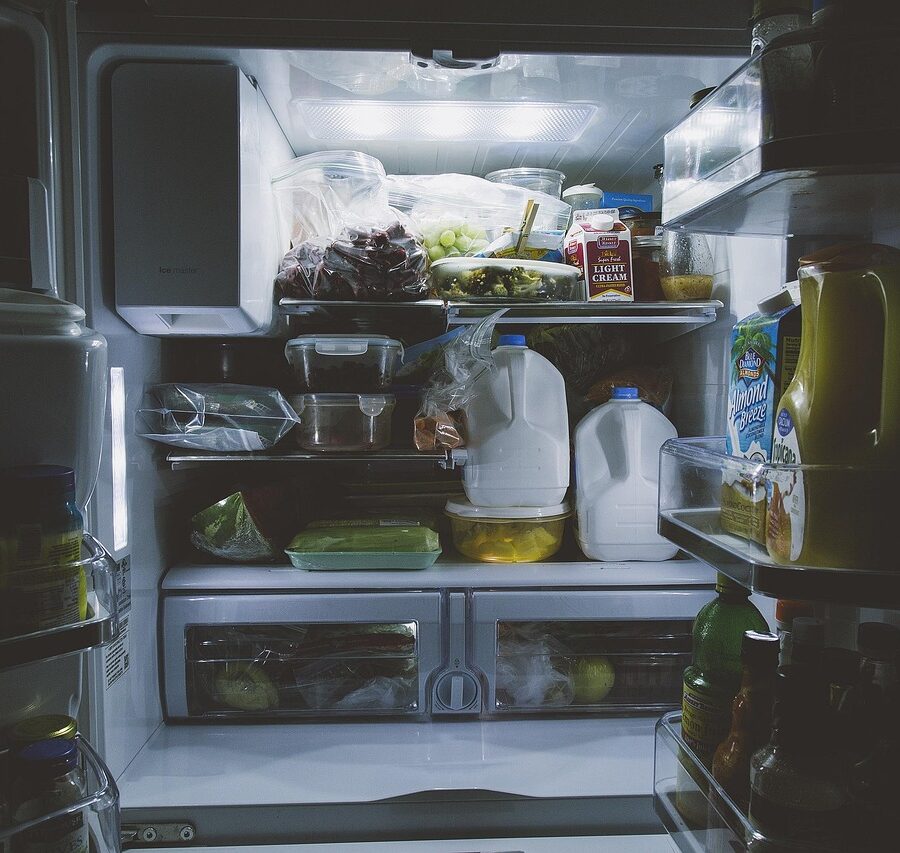
Check every shelf, the back corners and the drawers. Look for containers that have been pushed back, leaking packages, soft produce and anything that looks or smells off.
Put on gloves and throw out spoiled food. For leftovers, follow USDA guidance on how long they keep. If you cannot tell how long something has been in there, let it go.
Bag the spoiled food and take it to the outdoor trash right away so the smell does not spread into your kitchen.
Learn more: USDA: Leftovers and Food Safety
Empty the fridge and keep your food cold
Take out everything that is staying. Cleaning is much easier with a bare fridge, and you will spot spills you could not reach before.
Put cold items in a cooler with ice packs, or group them in a closed bag. Do not leave perishable food sitting on the counter while you clean.
Work in one go so the food is out of the fridge for as short a time as you can manage.
Learn more: FDA: Are You Storing Food Safely?
fresh tip
Take a quick photo of the shelf layout before you empty the fridge, so you can put the shelves and drawers back the same way.
Wash shelves and drawers in warm, soapy water
Check the manual to see how the shelves and drawers come out. Slide them out gently and let glass shelves reach room temperature before washing. A sudden change from cold to hot water can crack glass.
Wash each piece in the sink with warm water and a little dish soap. Use a soft sponge or a soft nylon brush for the edges and any sticky spots.
Rinse well and set the pieces on a clean towel to air dry. Do not put them back until they are fully dry.
Renter note: Do not force shelves or drawers out. Broken parts can cost you part of your deposit.
Wipe the inside with baking soda and warm water
Stir a small spoonful of baking soda into a bowl of warm water. Baking soda is a mild cleaner that works well on fridge interiors. Test it on a small hidden spot first and follow your fridge manual.
Wring the cloth out well and wipe the walls, ceiling and floor of the fridge. Work from the top down so drips fall onto areas you have not cleaned yet. Do not spray liquid into vents, the light or the controls.
Then go over everything again with a second cloth dampened with plain water, so no residue is left near your food. Keep any cleaner away from pets and children while you work.
Learn more: ASPCA: Poisonous Household Products
Shop the idea: microfiber cloths on Amazon (for example, E-Cloth or Scotch-Brite)
Renter note: Skip abrasive pads and harsh cleaners on the fridge liner. They can scratch or cloud the plastic.
Clean the door seals and the spots people skip
The rubber seal around the door traps crumbs and moisture. Wipe it with a cloth and warm soapy water, and use a soft toothbrush or a cotton swab to get into the folds without tearing the rubber.
Also wipe the door shelves and the handle.
If you see black or green spots on the seal that do not wipe away, that may be mold. Read the EPA guidance on cleaning up mold at home before you go further, and never mix cleaning products to try to speed it up.
Learn more: EPA: Mold Cleanup in Your Home
Renter note: If a seal is torn or moldy beyond cleaning, tell your landlord instead of replacing it yourself.
free printable
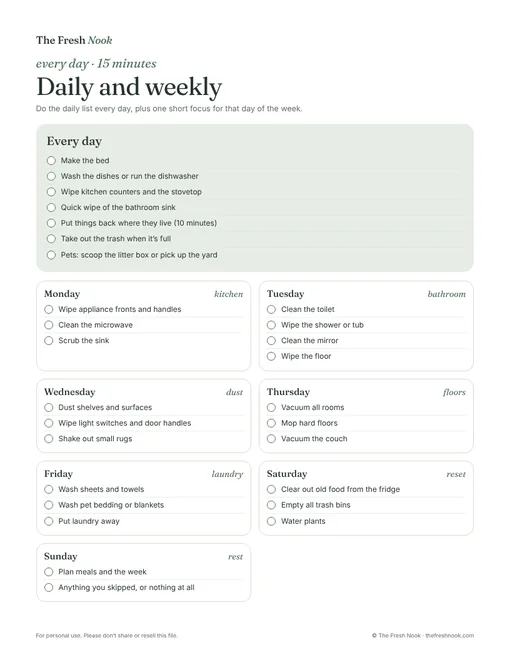
A cleaning schedule you’ll actually keep: a daily list, one short focus for each day of the week, a monthly and seasonal list and a weekly tracker. About 15 to 20 minutes a day. Free for subscribers.
Check the drain hole and drip area
Many fridges have a small drain hole on the back wall that carries water away. When it clogs, water pools and starts to smell.
Find the hole using your manual. Clear it gently with a cotton swab or a pipe cleaner dipped in warm, soapy water, then wipe with a damp cloth. Do not poke with sharp tools.
Some models have a drip pan underneath. Only remove it if the manual says it is meant to come out, and wash it with warm soapy water.
Renter note: If water keeps pooling or the drain stays clogged, ask your landlord instead of taking panels off yourself.
Dry everything, then restock with a box of baking soda
Dry the inside with a clean cloth, or leave the door open for a bit if the manual says that is fine. Put the dry shelves and drawers back in place.
Place an open box of baking soda on a shelf. It can help absorb some odors, though it works best in a fridge that has already been cleaned. Follow the package directions for how long to keep it.
Skip scented sprays and essential oils in or near the fridge. Some essential oils are harmful to cats and dogs, and food can pick up the scent.
Shop the idea: baking soda box on Amazon (for example, Arm & Hammer)
fresh tip
Write the date you opened the baking soda box on the side with a marker, so you know when to replace it.
Try activated charcoal for a stubborn smell
If a smell hangs on after cleaning, put an odor absorber on a shelf. Activated charcoal pouches made for refrigerators are one option. Use them as the package directs and keep them away from direct contact with food.
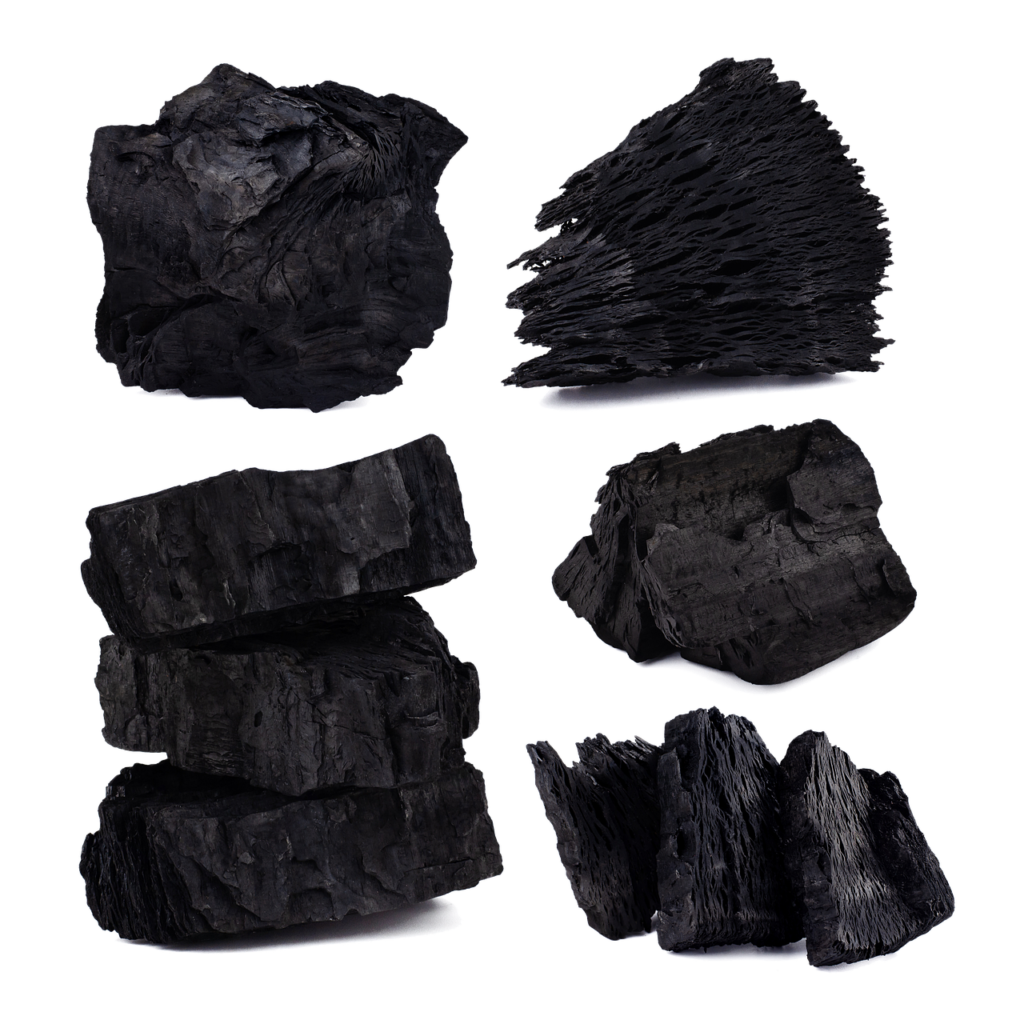
Store pouches out of reach of pets and children, and replace them as the package says.
If the smell is still there, look again for hidden spills behind or under drawers.
Shop the idea: fridge charcoal odor absorber on Amazon
Store strong-smelling foods in sealed containers
Cut onions, fish, strong cheese and leftovers give off smells that spread to other food. Airtight containers keep those smells contained.
Glass containers with tight lids do not hold onto odors the way some plastic can. Cover or wrap anything that is not already sealed.
Label leftovers with the date you stored them so you are not guessing later.
Shop the idea: airtight glass containers on Amazon (for example, Pyrex or Anchor Hocking)
Do a quick weekly check so the smell stays away
Before trash day, scan the shelves for leftovers and produce that are past their best. Throw them out and wipe any drips right away with a damp cloth.
Make sure the fridge is set to 40°F or below, in line with FDA food storage guidance. A fridge thermometer helps you check without guessing.
Add this check to your weekly cleaning routine, ideally right before you shop, when the fridge is emptiest.
Learn more: FDA: Are You Storing Food Safely?
Where to start
Start today by taking everything out and tossing anything spoiled. Removing the source is the most important step.
Then wipe the shelves with warm soapy water and put in an open box of baking soda. That is enough for a fresher fridge today, and you can do the seals and drain hole later.
free printable checklist
Fridge Smell Fix Checklist
9 steps. Tick them off as you go (your ticks stay on this device), or print it and keep it where you clean.
The Fresh Nook · thefreshnook.com
Quick answers
Does baking soda really get rid of fridge smell?
Baking soda can help absorb some odors, but it will not fix a smell that comes from spoiled food or a spill. Clean the fridge first, then use baking soda to help keep it fresh.
Why does my fridge still smell after cleaning?
Check the drain hole, the door seals and the space under the drawers, since spills and moisture hide there. Also look for food stored without a lid, and consider a charcoal odor absorber.
Can I use bleach to clean a smelly fridge?
You usually do not need it. Warm soapy water and baking soda are enough for most smells. If you want to disinfect, use a registered disinfectant exactly as its label says, including any directions for food-contact surfaces. Never mix bleach with vinegar, ammonia or other cleaners.
Free printable
A weekly cleaning schedule you’ll actually keep
Four printable pages: a short daily list, one focus for each day of the week, a monthly and seasonal list and a weekly tracker. Plus occasional tips. Unsubscribe anytime.